Each study group focuses on a distinct taxonomic group, conducting surveys, field camps, and awareness programs across Sri Lanka's diverse habitats.
Jump to a study group
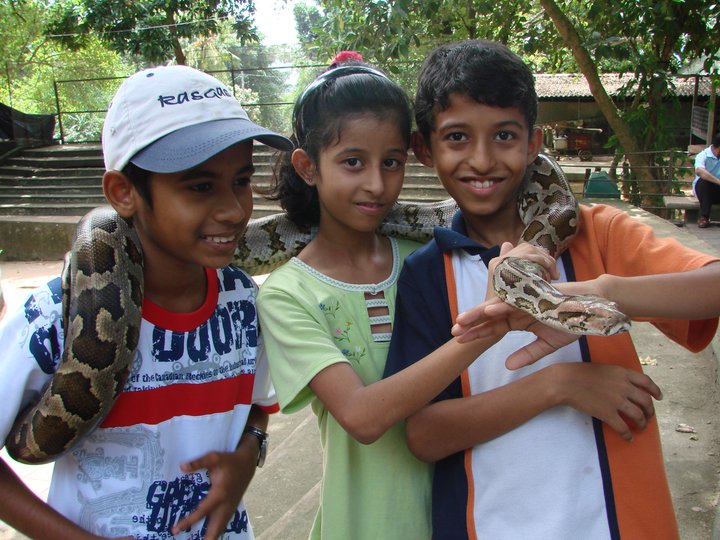
Junior YZA is a platform that encourages young wildlife enthusiasts to learn about nature, explore wildlife conservation, and develop a love for the environment. Through educational activities and engaging experiences, we inspire the next generation to protect wildlife and contribute to a sustainable future. 🌿🐾💚
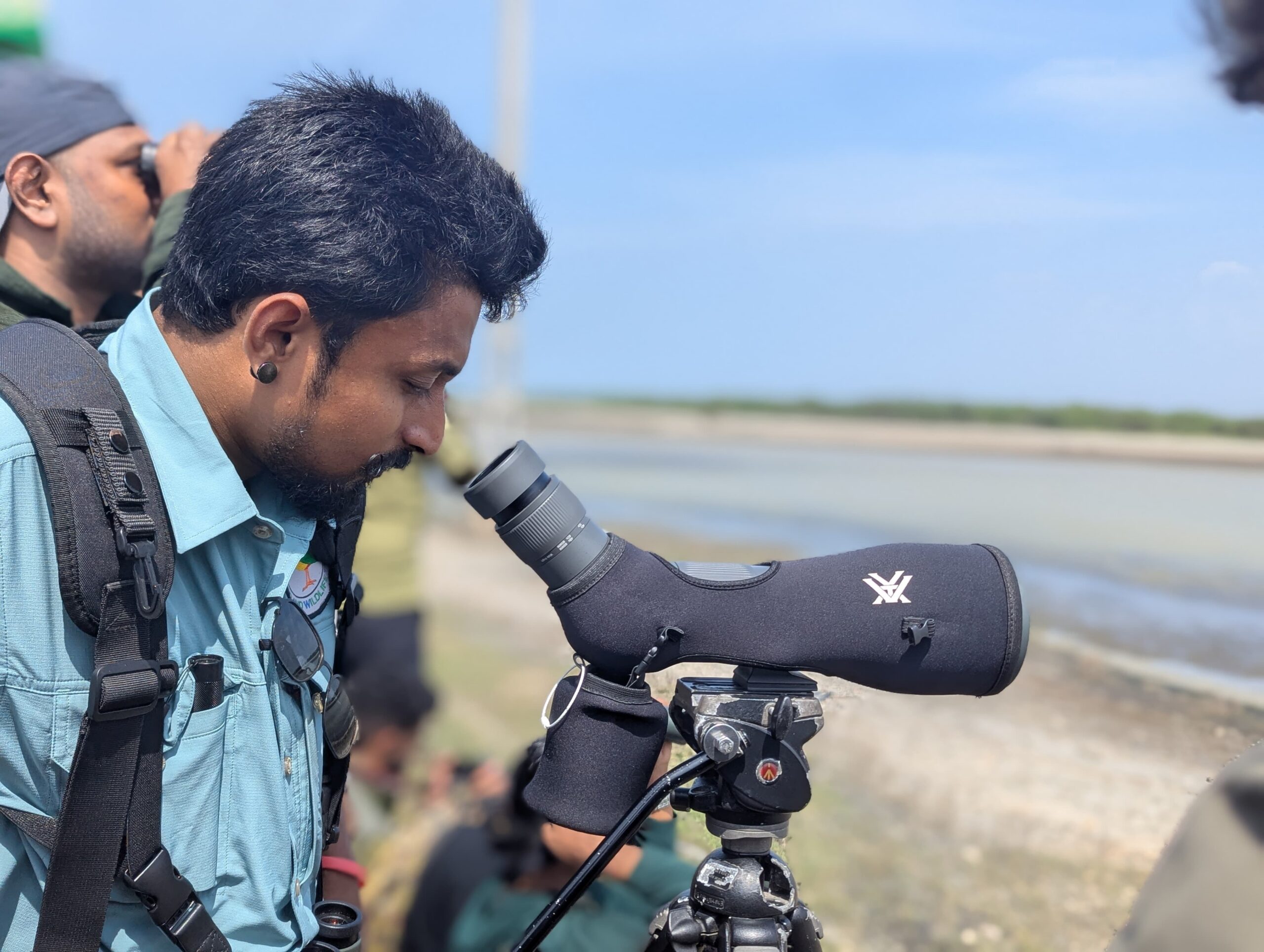
Wildlife Photography captures the beauty of wild animals in their natural habitats, showcasing their unique behaviors' and the wonders of nature. Through every photograph, we aim to inspire a deeper appreciation for wildlife and raise awareness about the importance of conservation. 🐘📸🌿
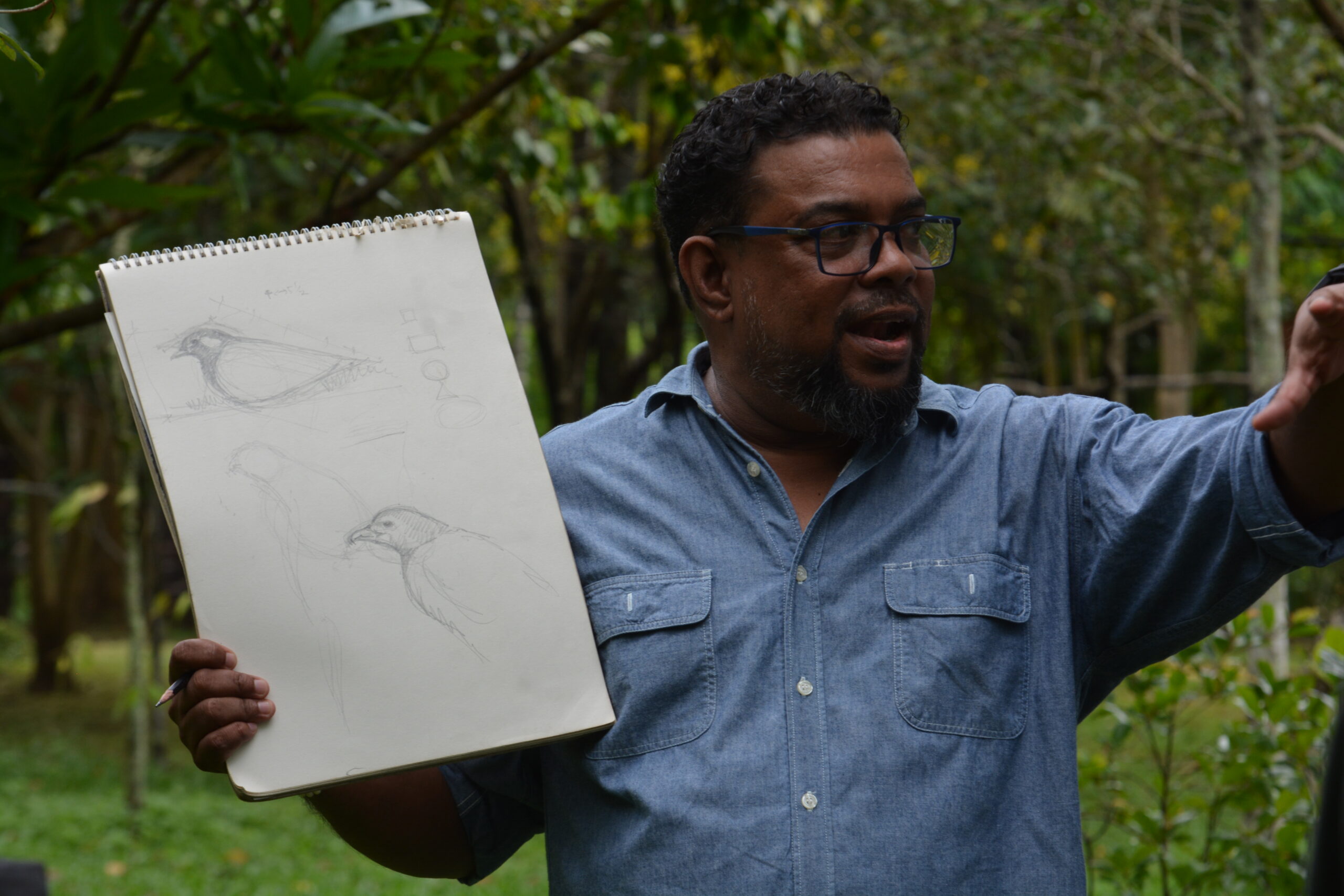
WildlifeArt celebrates the beauty of wildlife through art, creativity, and imagination. It showcases artistic expressions inspired by animals and nature, raising awareness about the importance of protecting our wildlife and preserving the natural world. 🐾🎨🌿
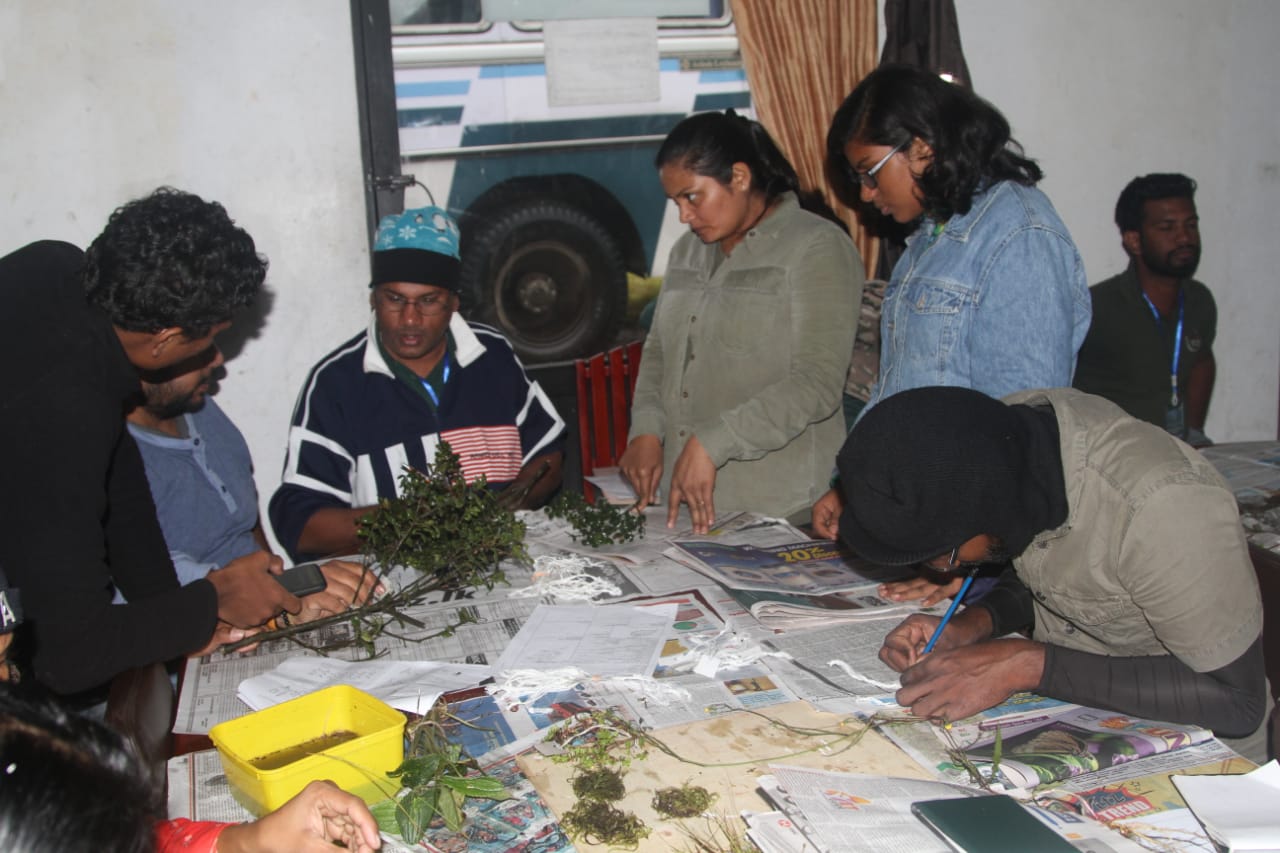
The Flora Study Group is dedicated to exploring the rich plant diversity of Sri Lanka, from towering rainforest trees and medicinal plants to flowering species, shrubs, and unique endemic flora. Members learn about plant identification, ecosystems, native species, and the vital role plant life plays in supporting wildlife, water systems, and environmental stability. The group fosters an appreciation for Sri Lanka’s botanical heritage while encouraging the conservation of forests and natural landscapes that sustain the island’s biodiversity.
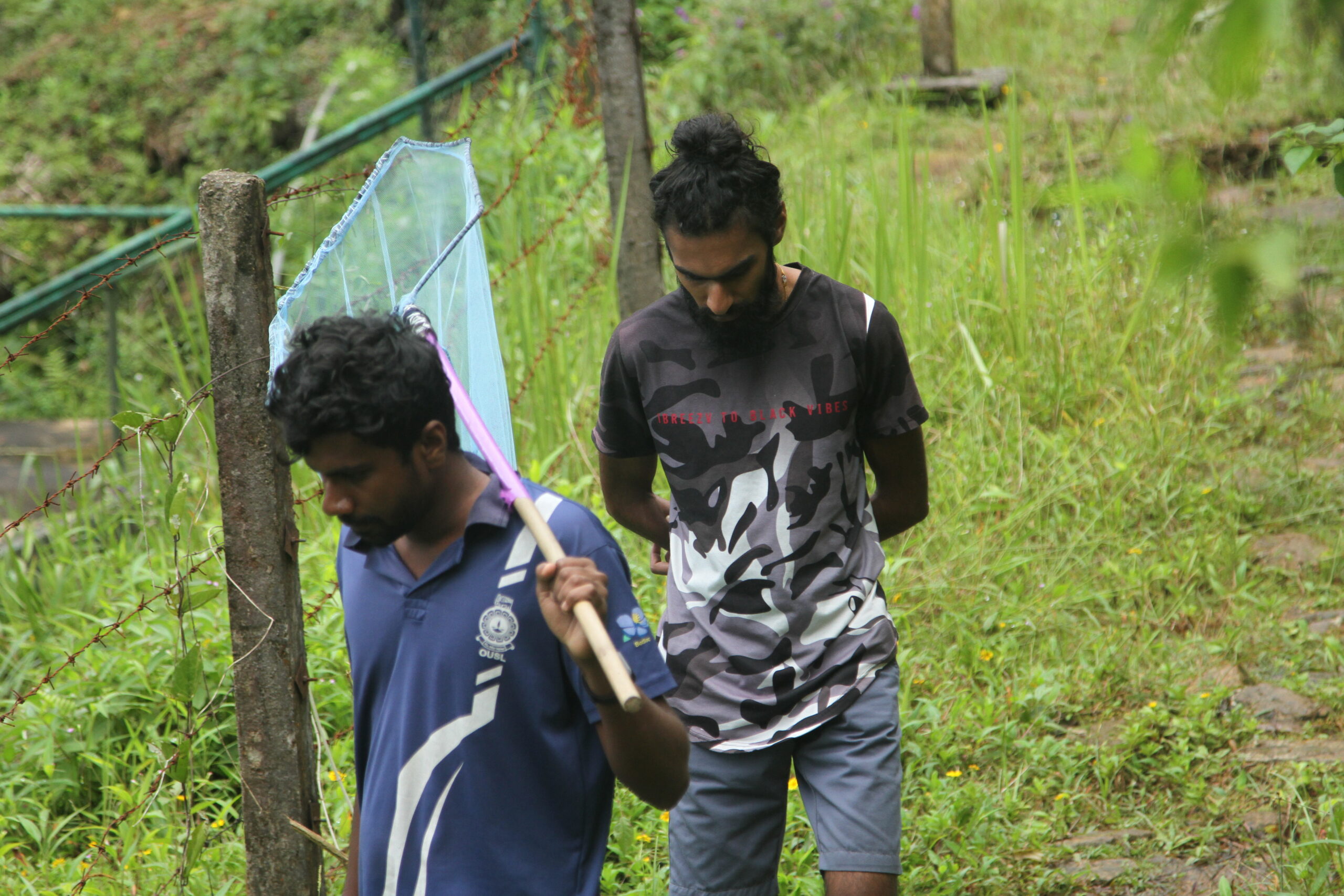
The Butterfly Study Group focuses on the fascinating world of butterflies and other pollinators found in Sri Lanka’s forests, gardens, grasslands, and home gardens. Members study their life cycles, host plants, ecological roles, and the incredible diversity of species found across the island. The group encourages appreciation for butterflies as indicators of healthy ecosystems and promotes conservation through habitat protection, native planting, and awareness of the environmental threats that affect these delicate insects.
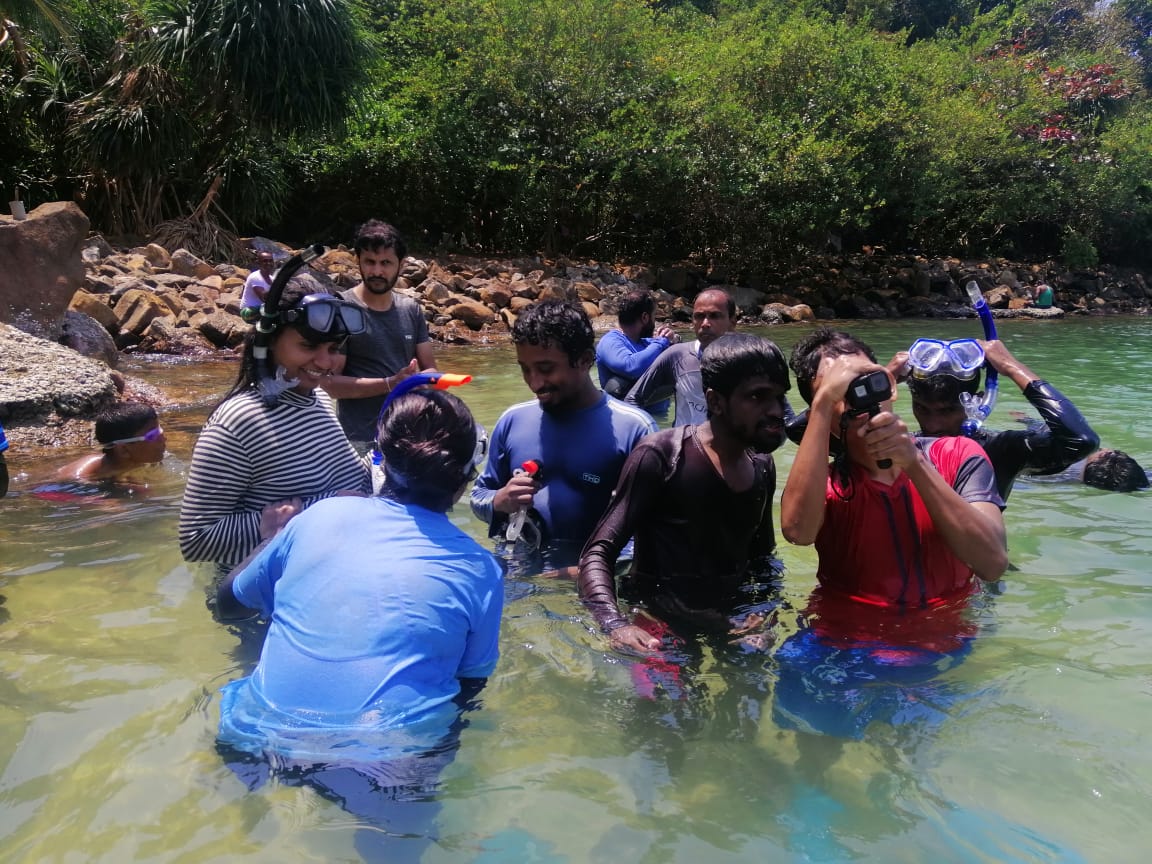
The Aquatic Life Study Group explores the rich variety of life found in Sri Lanka’s rivers, streams, reservoirs, lagoons, mangroves, and surrounding marine ecosystems. Members learn about freshwater and marine fish, aquatic plants, corals, crustaceans, and other organisms that contribute to the health of these habitats. The group promotes an understanding of aquatic biodiversity, the importance of wetlands and coastal ecosystems, and the need to conserve Sri Lanka’s precious water-based environments for future generations.
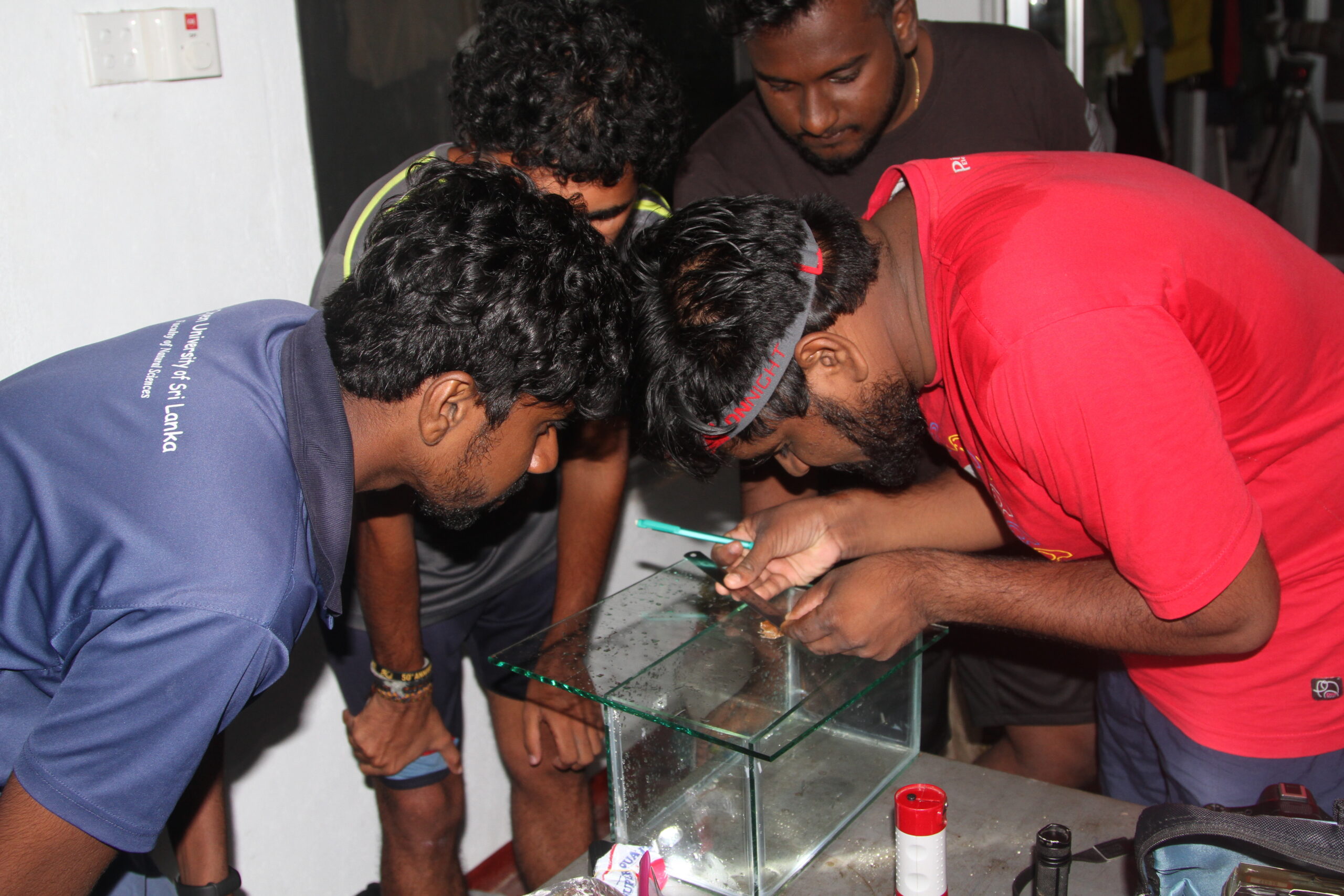
The Amphibians Study Group focuses on the remarkable diversity of frogs, toads, and other amphibians found across Sri Lanka’s forests, streams, wetlands, and montane habitats. With the island being home to a high number of endemic amphibian species, members explore their behaviour, life cycles, habitat requirements, and ecological importance. The group also highlights the conservation challenges facing Sri Lankan amphibians, including habitat loss, climate change, and environmental degradation, while encouraging awareness and protection of these sensitive and unique species.
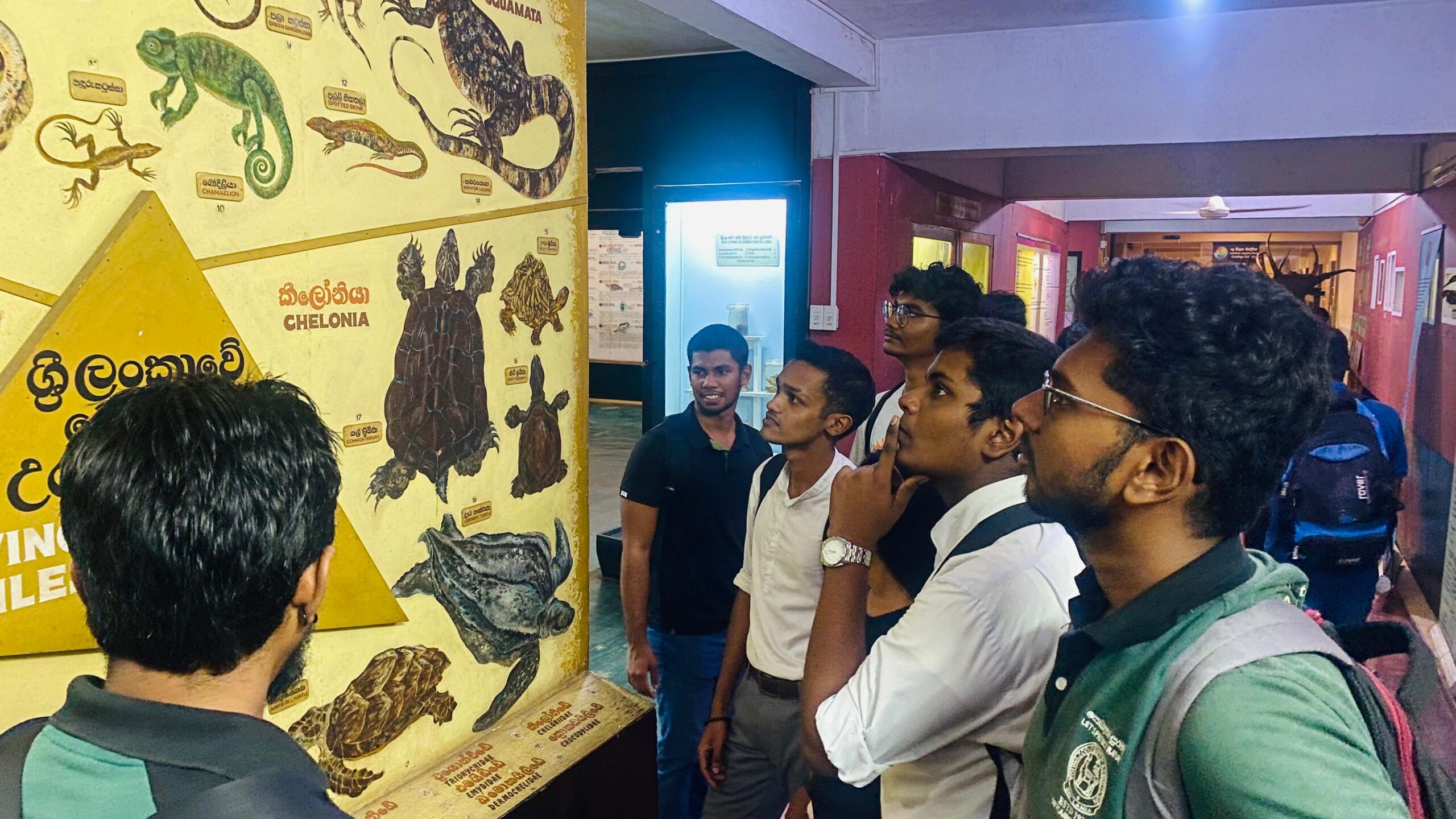
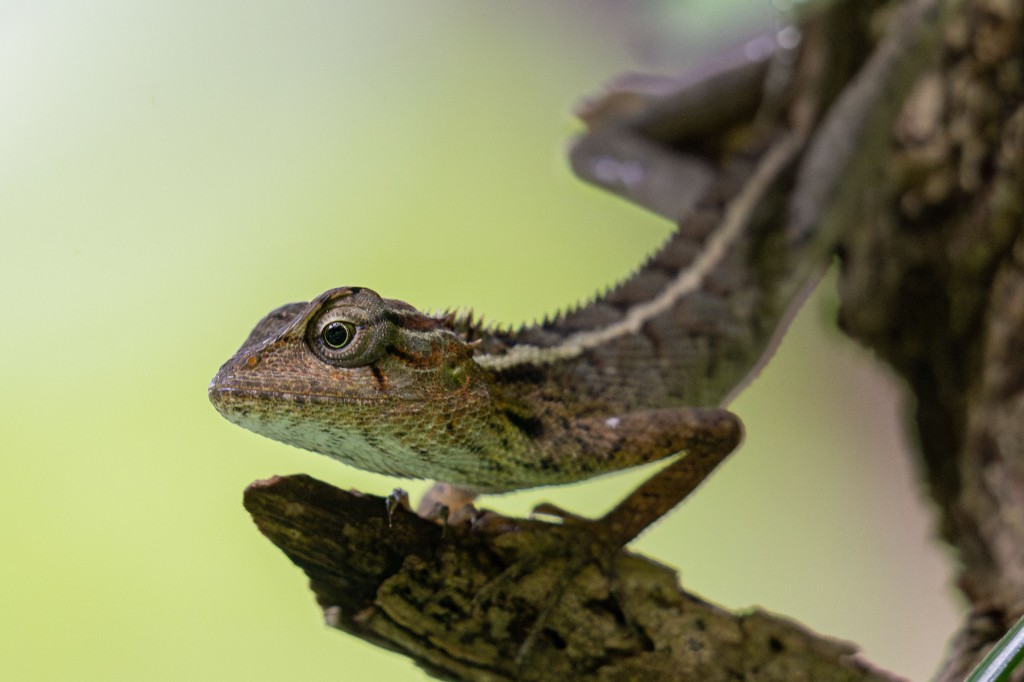
The Reptiles Study Group is dedicated to the study of Sri Lanka’s rich reptile diversity, including snakes, lizards, geckos, turtles, tortoises, and crocodiles found in forests, wetlands, coastal areas, and home gardens. Members learn about their unique adaptations, habitats, ecological importance, and the high level of endemism seen among Sri Lankan reptiles. The group also promotes awareness of common misconceptions surrounding reptiles and supports their conservation through education, habitat protection, and respect for their role in nature.

The Mammals Study Group focuses on the diverse world of mammals found in Sri Lanka, from tiny bats and squirrels to iconic species such as the Sri Lankan elephant, leopard, sloth bear, and purple-faced langur. Members explore their behaviour, habitats, adaptations, and conservation challenges while gaining a deeper understanding of their role in the island’s ecosystems. The group encourages awareness, research, and the protection of Sri Lanka’s mammal species and the natural habitats they depend on.
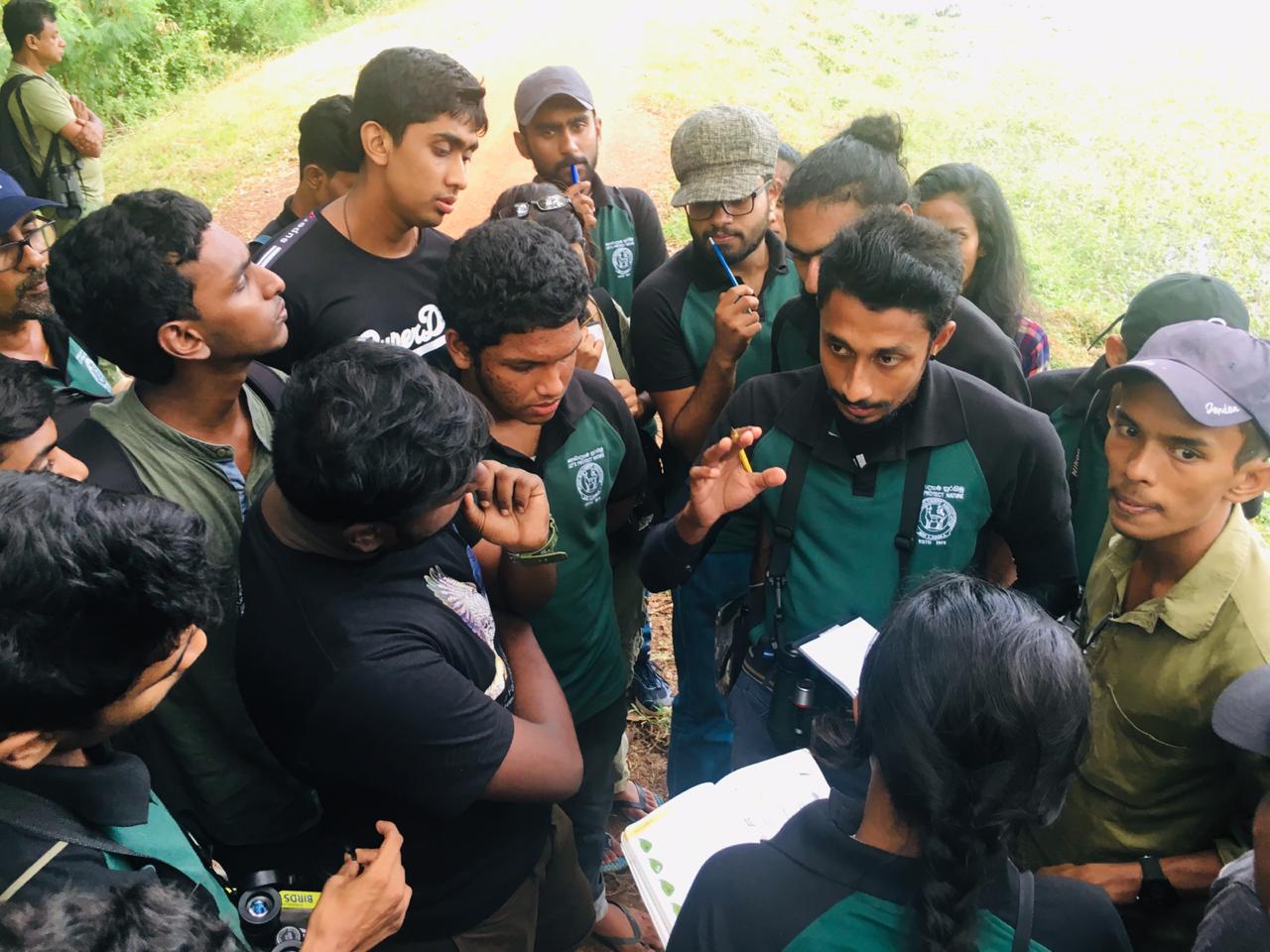
The Birds Study Group is dedicated to the study and appreciation of Sri Lanka’s diverse birdlife, from colourful forest species and wetland birds to migratory visitors and endemic birds found nowhere else in the world. Members explore bird identification, behaviour, habitats, migration patterns, and the role birds play in maintaining ecological balance. The group also raises awareness of the importance of protecting forests, wetlands, and other natural habitats that support Sri Lanka’s avian diversity.